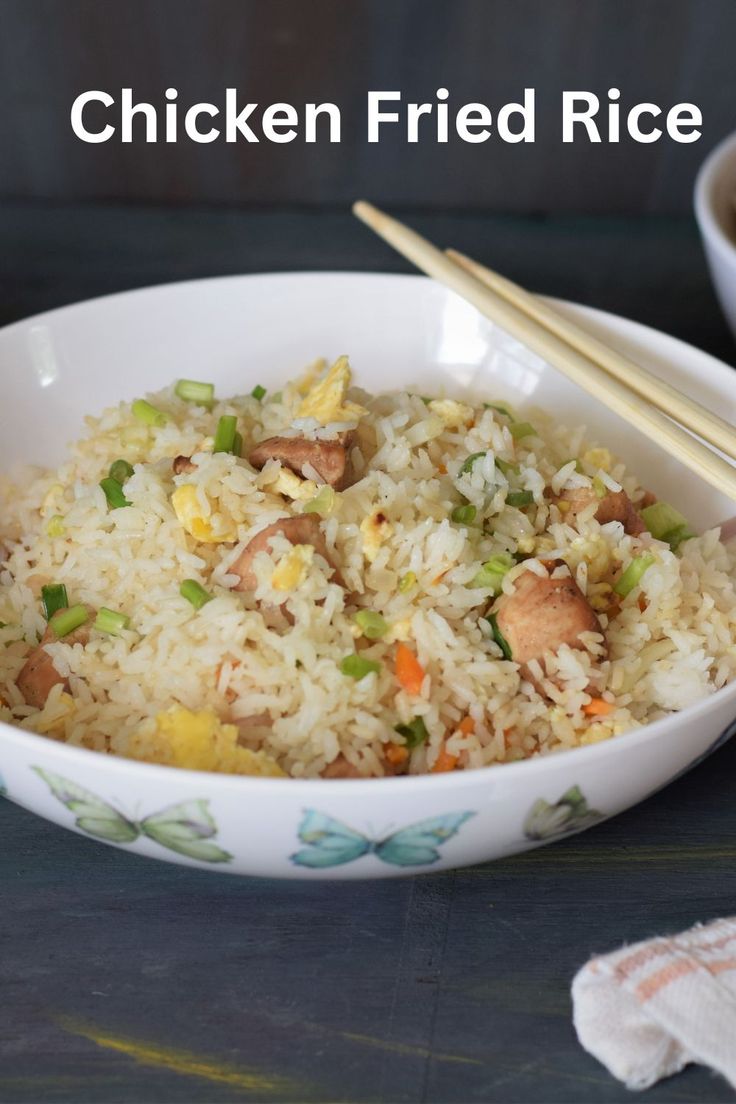
Achieve Perfect Texture: The Leftover Rice Secret for Fried Rice
There's a universally loved comfort food that transcends cultural boundaries, offering a symphony of savory flavors and delightful textures in every bite: fried rice. While many variations exist, a classic homemade chicken fried rice stands out as a perennial favorite. But what truly elevates a good fried rice to a *great* fried rice? The secret, often overlooked, lies not in exotic ingredients or complicated techniques, but in a simple staple: leftover, day-old rice. This humble ingredient is the cornerstone for achieving that perfectly chewy, separate-grain texture that defines exceptional fried rice, making your homemade version truly rival any takeout.
Forget soggy, clumpy rice that disappoints. This guide will walk you through mastering the ultimate chicken fried rice recipe, transforming simple ingredients into a dish that's rich in flavor, satisfying in texture, and surprisingly easy to make at home. Get ready to discover why purposefully cooking extra rice is the smartest move you'll make for your next weeknight dinner.
Why Leftover Rice is Your Fried Rice MVP (Most Valuable Player)
The magical transformation of rice into the perfect fried rice texture begins long before you even fire up the wok. It starts in the refrigerator. Freshly cooked rice, while delicious, is simply too moist for fried rice. Its high water content means that when it hits the hot pan, it steams rather than fries, resulting in a sticky, clumpy, and ultimately mushy mess. This is the antithesis of what we want in a truly great fried rice.
The science is simple: as cooked rice cools and rests in the refrigerator overnight, the starches firm up, and excess moisture evaporates. This drying process is crucial. It allows the individual grains to separate, providing the ideal foundation for stir-frying. When these dried-out grains hit a hot pan with a touch of oil, they become lightly toasted and slightly chewy on the outside, while remaining tender within. This is the characteristic texture that gives fried rice its irresistible appeal. Using cold, firm rice allows each grain to develop its own distinct character, preventing it from sticking together and soaking up too much sauce, ensuring a vibrant, flavorful dish rather than a heavy, glutinous one.
While medium or short-grain white rice are traditional choices and work wonderfully, don't shy away from alternatives like brown rice if you prefer its nutty flavor and added fiber. Regardless of the type, the golden rule remains: always use cold, day-old rice for the best chicken fried rice recipe results.
Crafting the Ultimate Homemade Chicken Fried Rice: Better Than Takeout in 15 Minutes
Armed with your perfectly prepared leftover rice, it's time to assemble the other stars of our chicken fried rice recipe. A balanced blend of protein, fresh vegetables, and aromatic seasonings is key to a truly satisfying dish. Here’s a breakdown of the essential components and why they matter:
The Core Ingredients:
- Chicken Breasts: Lean and versatile, chicken breasts are an excellent choice. Dicing them thin ensures they cook quickly and evenly, blending seamlessly into the rice. For an extra layer of flavor and moisture, some prefer chicken thighs, which can also be diced to your liking. Seasoning with salt and pepper before cooking is non-negotiable for flavor development.
- Vibrant Vegetables: The beauty of fried rice lies in its flexibility. Classic additions like chopped onion, finely diced carrots, and bright frozen peas add color, texture, and essential nutrients. Cook the harder vegetables first to soften them before adding quicker-cooking ones.
- Aromatics – Garlic & Ginger: These two are the soul of Asian stir-fries. Minced fresh garlic and ginger provide an incredible depth of flavor and fragrance. If you love a bold taste, don't hold back on the garlic – it truly elevates the dish!
- Eggs: Three large eggs typically provide a good balance. For those coveted white streaks and varying textures, barely beating the eggs before adding them to the hot pan is a simple trick that pays off visually and texturally.
- Low-Sodium Soy Sauce: This is where much of the savory, umami flavor comes from. Using low-sodium soy sauce is a smart move, allowing you to control the overall saltiness of your dish and adjust to taste without over-salting. Many American palates, and indeed our taste testers, find a touch of soy sauce indispensable in fried rice.
- Neutral Oil: Vegetable, canola, or grapeseed oil are perfect as they have a high smoke point and won't impart their own strong flavor, letting the other ingredients shine.
- Green Onions: Added at the very end, these provide a fresh, pungent finish and a pop of color.
Beyond the Basics: Expert Tips for Your Versatile Chicken Fried Rice: Customize Your Dinner with Favorite Mix-Ins
One of the greatest joys of making fried rice at home is its incredible versatility. This isn't just a chicken fried rice recipe; it's a template for culinary creativity. Feel free to explore and personalize your dish with these expert tips and variations:
Customizing Your Chicken Fried Rice Recipe:
- Protein Power-Ups: While chicken is excellent, consider swapping it for cooked shrimp, diced pork, beef, or even tofu for a vegetarian option. Leftover roast chicken or rotisserie chicken can significantly cut down on prep time.
- Vegetable Medley: Expand beyond the usual suspects. Broccoli florets, sliced red bell peppers, snap peas, sliced mushrooms, or fresh spinach can all be fantastic additions. Remember to add them according to their cooking times – denser veggies earlier, leafy greens later.
- Nutty Crunch: For an unexpected textural delight, toss in a handful of toasted cashews or slivered almonds towards the end. They add a wonderful crunch and a hint of richness.
- Flavor Boosters: A dash of sesame oil drizzled in at the very end adds an authentic aroma. A pinch of white pepper can provide a subtle warmth. For a touch of sweetness and acidity, a teaspoon of sugar and a splash of rice vinegar can balance the savory notes beautifully.
- Spicy Kick: If you enjoy heat, consider adding a pinch of red pepper flakes with the aromatics, or a drizzle of sriracha or chili oil when serving.
Pro-Tips for Perfect Stir-Frying:
- Mise en Place (Everything in its Place): This French culinary term means having all your ingredients prepped, measured, and ready before you start cooking. Stir-frying is fast, so you won't have time to chop or search for ingredients mid-way.
- Hot Pan, Less Stick: Use a large skillet or wok and get it very hot before adding oil. This helps prevent sticking and ensures a proper sear on your ingredients, rather than steaming them. Don't overcrowd the pan; cook in batches if necessary to maintain high heat.
- Layering Flavors: Cook ingredients in stages. Start with chicken, then harder vegetables, then aromatics, then rice, and finally eggs and sauces. This ensures each component cooks optimally and develops its own unique flavor profile.
- Don't Over-Stir: While it's called stir-frying, resist the urge to constantly agitate the food. Allow ingredients to sit on the hot surface for a few moments to develop some color and char, which adds to the depth of flavor.
- Taste and Adjust: Always taste your fried rice before serving. You might want more soy sauce, a pinch of salt, a dash of white pepper, or a bit more garlic.
Step-by-Step Perfection: Your Chicken Fried Rice Recipe Guide
Ready to transform your leftover rice into a dinner masterpiece? Follow these steps for an easy, yet incredibly flavorful chicken fried rice recipe:
Ingredients:
- 2 cups cold, day-old cooked white (or brown) rice
- 1 tbsp neutral oil, plus more for cooking eggs
- 1 lb boneless, skinless chicken breasts, diced thin
- Salt and freshly ground black pepper, to taste
- 1 medium onion, chopped
- 1 large carrot, finely diced
- 3 cloves garlic, minced (or more, to taste)
- 1 tsp fresh ginger, minced very small
- ½ cup frozen peas
- 3 large eggs, barely beaten
- 2-3 tbsp low-sodium soy sauce (to taste)
- 2 green onions, sliced, for garnish
Instructions:
- Cook the Chicken: Heat 1 tablespoon of neutral oil in a large skillet or wok over medium-high heat. Season diced chicken with salt and pepper. Add chicken to the hot skillet and cook until golden brown on all sides, about 6-8 minutes. If pieces are large, ensure they're cooked through; if thin, they might be done here, or transfer to a preheated oven (if skillet is oven-safe) to finish cooking for a few minutes until internal temperature reaches 165°F (74°C). Remove chicken from skillet and set aside.
- Sauté Veggies & Aromatics: Add a little more oil to the skillet if needed. Add chopped onions and diced carrots. Sauté until softened, about 3-5 minutes. Then, add the minced garlic and ginger. Stir continuously for about 30-60 seconds until fragrant, being careful not to burn the garlic.
- Incorporate Rice & Peas: Add the cold, day-old rice and frozen peas to the skillet. Use a spatula to break up any clumps of rice. Stir well to combine all ingredients and cook for 2-3 minutes, ensuring the rice is completely warmed through and slightly toasted.
- Cook the Eggs: Push the rice mixture to one side of the skillet, creating an empty space. Add a small amount of additional oil to the empty space, then pour in the barely beaten eggs. Scramble the eggs until they are almost fully cooked but still slightly moist. Then, stir them into the rice mixture until fully incorporated.
- Combine & Finish: Add the cooked chicken back into the skillet with the rice. Drizzle in the low-sodium soy sauce. Stir everything together until well combined and heated through.
- Serve: Taste and adjust seasonings if necessary. Garnish with sliced green onions and serve immediately.
Conclusion
Achieving perfect texture in your homemade fried rice is no longer a mystery. With the simple yet powerful secret of using cold, day-old rice, your chicken fried rice recipe will be transformed into a dish that's light, flavorful, and wonderfully textured – a far cry from the soggy versions you might have encountered before. This versatile recipe, easily adaptable to your favorite ingredients and dietary preferences, proves that restaurant-quality fried rice is entirely within reach in your own kitchen. So next time you cook rice, make a little extra. Your future self, and your dinner guests, will thank you for the foresight!
